Where to Sell Clothes for Cash Near Me
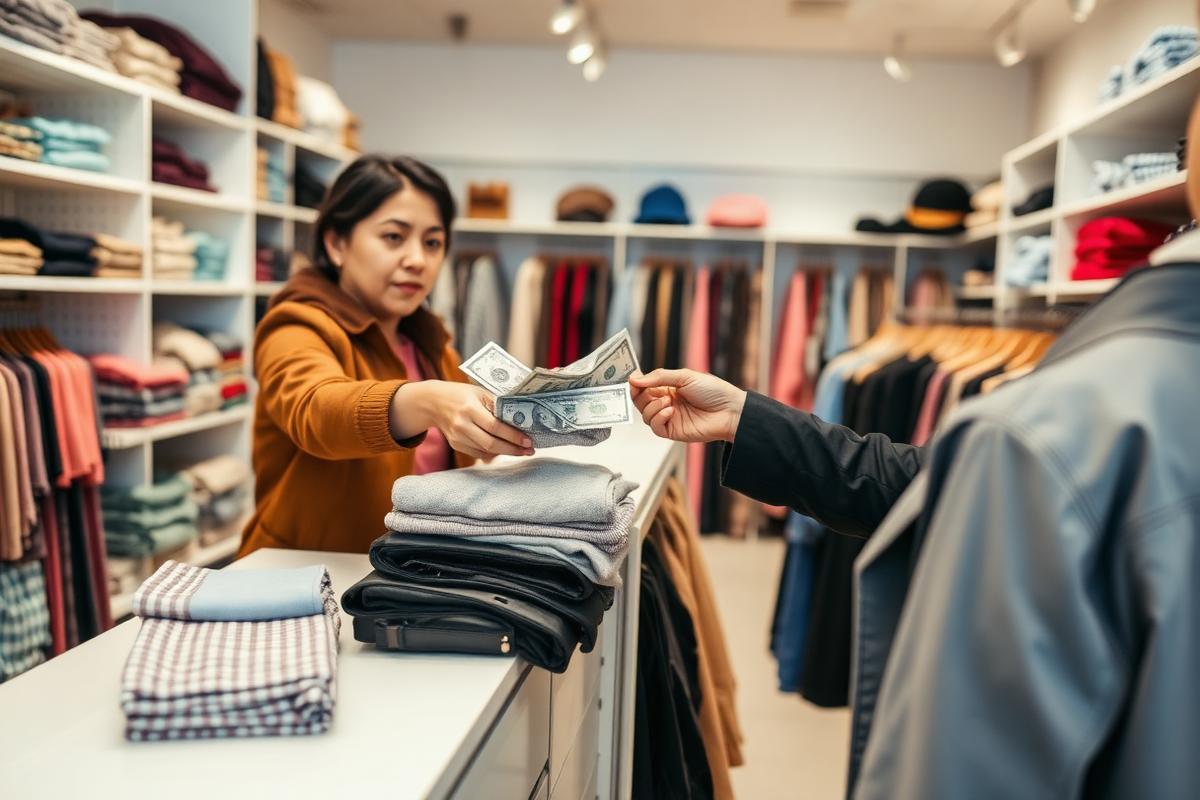
You cleaned out your closet. Now you're standing next to three bags of clothes that are too good to donate and wondering who will actually pay you for them. If you're searching where to sell clothes for cash near me, the answer depends on what you have, how fast you need the money, and how much effort you're willing to put in.
This is the honest version of that guide — not a list of apps, not a ranked breakdown of platforms with affiliate links, just the real options available to you in your city and online, what they pay, and when each one makes sense.
The two ways to sell clothes for cash near you
There are two fundamentally different models for selling clothes locally. Understanding which one fits your situation before you drive anywhere saves you a wasted trip.
Buyout stores pay you cash today for your items outright. They look through what you brought, make an offer on what they want, and hand you money on the spot. The offer is lower than what the items will sell for because the store is taking all the risk and handling all the work. You leave with cash in hand and nothing hanging over you.
Consignment shops take your items, sell them for you, and pay you a percentage when things move — usually 40 to 50 percent of the sale price. You wait. Sometimes a week, sometimes two months. The payout per item is higher but it's not guaranteed and it's not immediate.
Most people who sell clothes regularly use both — buyout stores for volume and speed, consignment for the pieces worth waiting on.
Buyout stores near me — what they actually pay
The national buyout chains are the fastest option. Plato's Closet buys current-season clothing from brands that teenagers and young adults actually wear — American Eagle, Nike, Levi's, Free People, that tier. They offer roughly 30 to 40 percent of what they'll sell the item for, which works out to a few dollars per piece for everyday clothing and more for current-season branded items in excellent condition. Don't bring anything out of season, anything without a recognizable brand, or anything with visible wear.
Style Encore is the adult version of Plato's Closet — same parent company, same model, but aimed at women's clothing in the 30-50 demographic. Ann Taylor, J. Crew, Eileen Fisher, Anthropologie. Same cash-on-the-spot model, same realistic expectations on payout.
Once Upon a Child does the same thing for children's clothing and gear. If you're clearing out a kid's wardrobe, this is the fastest option — car seats, strollers, shoes, clothing. They move volume quickly and the cash accumulates faster than you'd expect across a full carload.
The independent local buyout stores — the ones that aren't national chains — are worth checking because their buying criteria vary more. A store that specializes in vintage will pay more for a 1970s Levi's denim jacket than Plato's Closet will. A store focused on workwear will pay for things the fashion chains won't touch. Browse consignment and resale shops near you to find independent buyers who sell secondhand clothes in your city.
Consignment shops near me — when to use them
Consignment makes sense when you have items that are worth more than a buyout store will offer and you can afford to wait. Designer pieces, high-end outerwear, vintage clothing in excellent condition, furniture, and home goods are all categories where consignment returns significantly more than an outright sale.
The mechanics are straightforward. You bring your items during the store's intake window — call ahead, most shops have specific days and hours for drop-offs. They review what you brought, accept what fits their inventory, and put it on the floor priced at whatever they think it will sell for. When something sells, you get your percentage. If it doesn't sell within the consignment window — usually 60 to 90 days — you either pick it up or the store donates it.
The variable that matters most is the store's customer base. A consignment shop in a high-income neighborhood with a clientele that buys designer goods will get more for your better pieces than a general consignment shop in a strip mall. That higher sale price at a 50 percent split returns more to you even if it takes longer to sell.
Find consignment shops in your state to see what's available in your city — Tennessee is a good example of a market where independent consignment stores outnumber the chains.
Where to sell used clothes — what sells and what doesn't
The honest answer is that most clothes don't sell quickly and some don't sell at all. Every buyout store and consignment shop rejects the majority of what walks through the door — not because the clothes are bad but because their floor space is limited and they only take what they're confident they can move.
What consistently sells at local stores: current-season clothing in excellent condition, recognizable brand names, anything vintage from the 1960s through the 1990s in good shape, denim in all its forms, outerwear, boots and shoes with minimal wear, and anything that photographs well for resale.
What gets rejected consistently: anything with pilling, fading, staining, or missing hardware, fast fashion with no brand recognition, formal wear outside of wedding season, anything out of season for the current month, and items that smell like storage.
The preparation matters more than most sellers expect. Laundering and lightly pressing what you bring increases acceptance rates significantly. Bringing twenty pieces that all meet the bar returns more than bringing forty pieces where half get rejected — stores that see clean, selective drop-offs tend to prioritize those sellers for future intake.
Online versus local — the real tradeoff
Poshmark, Depop, ThredUp, and eBay exist and they work for some sellers. The tradeoff is time and effort. Listing items individually, photographing them, writing descriptions, handling shipping, and waiting for buyers is a part-time job if you're doing it seriously. The return per item can be higher than local options — especially for vintage and designer pieces — but the total time investment is also higher.
Local stores give you cash today or in weeks, not months. No photography, no shipping, no buyer negotiations, no returns. For most people clearing out a closet rather than running a resale business, choosing to sell clothes near me is the right answer.
If you have a few genuinely valuable pieces — a designer bag, a leather jacket, a rare vintage item — list those online and take the rest to a local buyout store. Split the approach by item value rather than treating everything the same.
Before you go
- Call ahead before your first drop-off — intake policies, accepted brands, and appointment requirements vary by store and change by season. Showing up unannounced with three bags and getting turned away is a real thing that happens to first-time sellers.
- Know what you have before you go — spend fifteen minutes going through your bags and pulling out anything with visible wear, staining, or missing hardware. Leave those out.
- Take your best twenty pieces and see what they offer. You can always bring more later.
And if what you have doesn't fit the consignment or buyout model — if it's donation-quality rather than resale-quality — drop it at a charity thrift store where it funds something. Find charity thrift stores near you across all 50 states.