Consignment Shops Near Me — How to Find the Best Ones in Your City
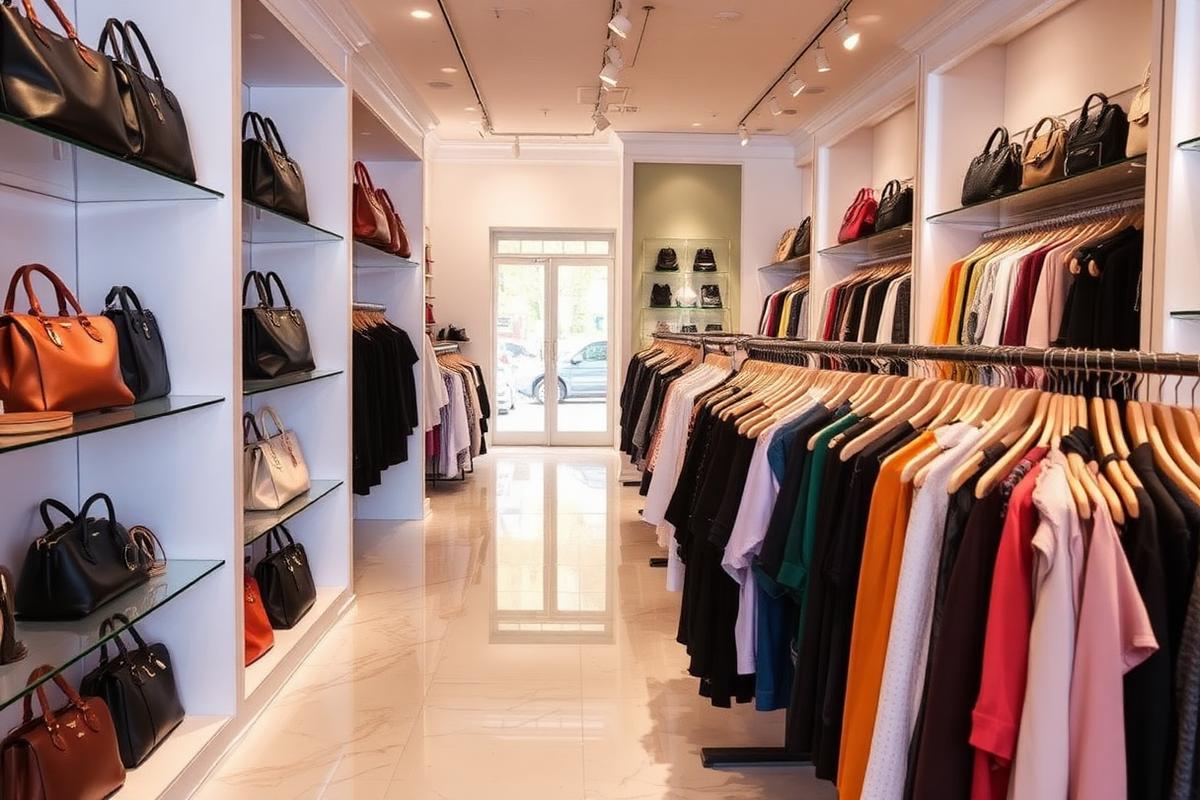
Consignment shops near me is one of those searches that means two completely different things depending on who's typing it. The buyer wants to know where to find well-edited secondhand clothing at prices that make sense. The seller wants to know where to take a bag of good clothes and walk out with money. Both of them end up at the same consignment stores — which is exactly what makes consignment shops one of the most interesting corners of the secondhand economy.
Here's how they actually work, and how to find the good ones.
How consignment stores work
Consignment is not donation and it's not a garage sale. When you bring clothes to a consignment store, you keep ownership of them until they sell. The store displays them, prices them, and handles the transaction. When something sells, you get a cut — typically 40 to 50 percent of the sale price — and the store keeps the rest. If your items don't sell within the consignment window, usually 60 to 90 days, you either pick them up or the store donates them.
The store takes all the risk on floor space and time. You take the risk that your items might not sell. The upside for sellers is higher payouts than selling to a buyout store. The upside for buyers is a more curated selection than a general thrift store — consignment shops filter what comes in, which means less digging and more consistent quality.
Different stores work different ways. Some take appointments for drop-offs and review items one by one. Some have open drop-off hours. Some specialize in designer and luxury goods. Some focus on everyday clothing. Some take furniture and home goods alongside clothing. Know what kind of shop you're walking into before you show up with three bags of clothes — not every consignment store takes everything.
What consignment shops near me actually pay
The math on consignment varies more than most sellers expect. A typical split is 50/50 — you get half of whatever the item sells for. Some stores offer 40/60 in the store's favor. Higher-end luxury and vintage consignment shops sometimes go 60/40 or even 70/30 in the seller's favor for premium items because the price points are higher and the buyers know what they're paying for.
The other variable is pricing. The store sets the price, not you. A jacket you think is worth $80 might get priced at $45 by a store that knows its customer base. That $45 at 50 percent is $22.50 in your pocket — versus nothing if you take it to a donation center. Most experienced consignment sellers price their expectations around what the store will actually get, not what they paid retail.
Find consignment stores in Texas or consignment shops in California — two states with some of the strongest consignment markets in the country.
The difference between consignment and buyout stores
Two words that get used interchangeably but mean completely different things.
A buyout store — Plato's Closet, Style Encore, Once Upon a Child — buys your clothes outright. You get cash on the spot, today, for whatever they decide to offer. The offer is lower than consignment because the store is taking all the risk. But you walk out with money in your hand and you're done.
A consignment store pays you later, when and if things sell. The potential payout is higher but you might wait 60 days and get a check for $18. Or you might wait 30 days and get $200. Depends on the store, the season, and what you brought in.
Neither model is better. They serve different sellers. If you need money today, go to a buyout store. If you have good items and can wait, consignment usually pays more over time. Many experienced sellers use both — buyout stores for volume, consignment for premium pieces.
Where to sell clothes for cash near me
If the goal is to sell clothes for cash rather than wait on a consignment check, the search you actually want is buyout resale — stores that pay on the spot. If you can wait, consignment nearly always nets more per item. Either way, the same directory covers both: browse secondhand stores near me and thrift stores near me by city and filter by Consignment to see which model each shop runs.
What sells well at consignment shops
Consignment stores are selective because they have limited floor space and they need items to actually sell. What moves at most consignment shops:
- Current season clothing in excellent condition — consignment shops won't take winter coats in July because they can't sell them. Timing matters.
- Brand name and designer items — a generic blouse might get passed over. The same blouse with a recognizable brand tag gets a second look.
- Gently used, not worn out — pilling, fading, missing buttons, and broken zippers are automatic rejections at most stores. If you wouldn't buy it, don't bring it.
- Complete sets — a matching blazer and pants, a full bedding set, a couch with both cushions — complete items sell faster and get better prices than individual pieces.
How to find the best consignment shops near you
The consignment market is fragmented. Unlike charity thrift stores where the major chains are nationally known, most consignment shops are independent local operations — a woman who started taking in her neighbors' clothes and built it into a real business over fifteen years, a boutique that evolved from a vintage dealer into a full consignment operation, a children's resale shop that's been in the same strip mall for two decades.
These stores don't have marketing budgets. They don't rank well in Google. They rely on word of mouth and foot traffic from people who already know they exist.
ThriftNearMe.com lists consignment shops across all 50 states — independent boutiques alongside the chains, mapped and categorized so you can filter by consignment when you're looking at your city. Browse consignment shops near you by state and filter by Consignment on any city page.
A few things worth knowing before you go
- Call ahead before your first drop-off — most consignment shops have specific intake days and hours and won't take walk-in drops outside of them.
- Clean and press what you bring — stores reject items that smell like storage or show wrinkles. Five minutes of prep increases your acceptance rate.
- Read the contract — every consignment shop has different terms for split percentage, consignment window, and what happens to unsold items. Know what you're agreeing to before you leave your clothes.
- Don't bring everything — bring your ten best pieces, not your thirty decent ones. Stores that see selective, high-quality drop-offs prioritize those sellers for future intake.