Vintage Clothing Stores in Chicago (2026) — Where to Actually Shop
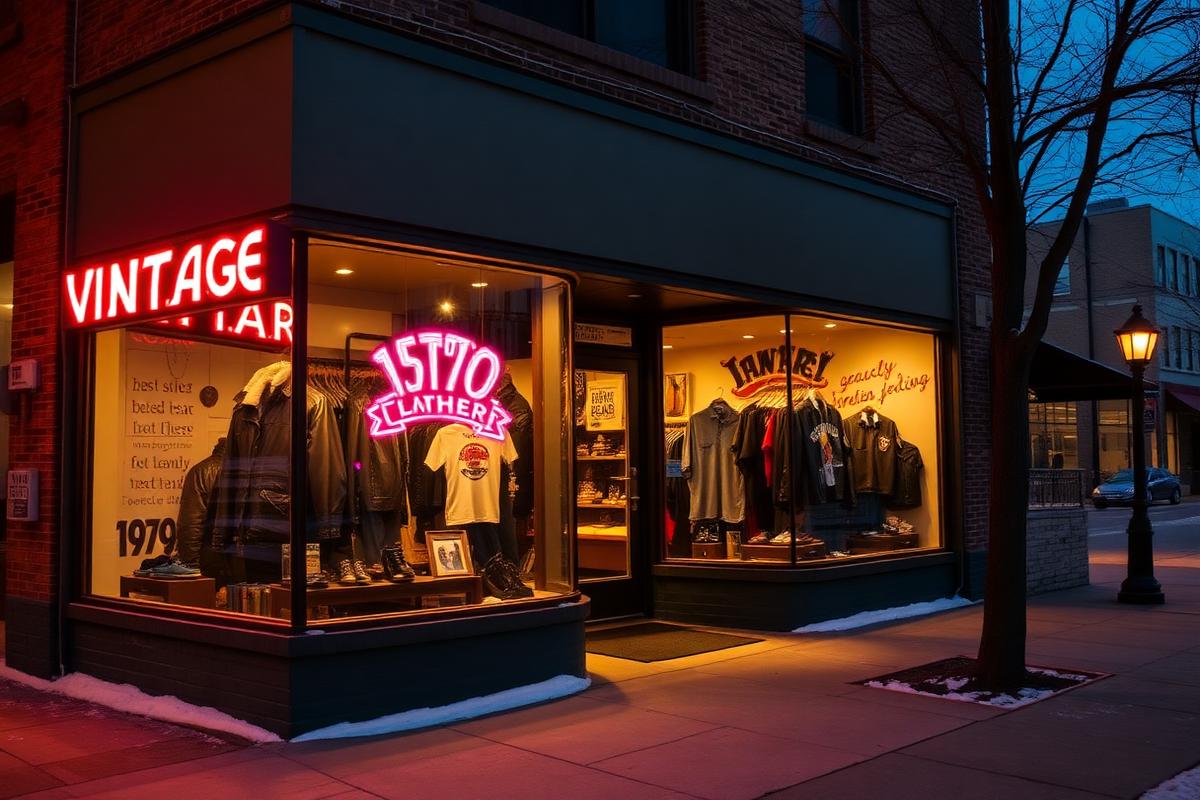
Chicago is one of the strongest vintage clothing markets in the country, and the reason is simple: the city has enough neighborhoods with their own history that the racks in one part of town look nothing like the racks in another.
This guide breaks Chicago down the way people who shop vintage here actually do it: by district, by store type, and by what each area is genuinely good for. Every shop mentioned is listed, mapped and rated in our Chicago directory, so you can filter by category, check hours, and plan a route before you leave the house.
Wicker Park and Bucktown vintage shops
This is the stretch most people mean when they say Chicago vintage. Milwaukee Avenue runs dense with curated shops — denim sorted by decade, band tees priced by rarity, leather and workwear that has already been picked over by dealers before it hits the floor. Prices are higher than a charity thrift store, but so is the hit rate. You can walk a dozen shops in an afternoon without moving your car.
Logan Square and Avondale secondhand
Further northwest the shops get smaller and more idiosyncratic. Logan Square leans toward 1980s and 1990s casualwear, and Avondale is where you find the buy-sell-trade stores that turn inventory weekly. This is the best area in the city for wearable secondhand rather than costume-grade vintage.
Andersonville and Uptown consignment
Andersonville runs consignment-heavy, which means clean, current, well-edited clothing from local closets. If you want secondhand you can wear to work on Monday, start here rather than on Milwaukee Avenue.
South Side and the western neighborhoods
This is where the prices drop. Charity thrift stores and nonprofit shops away from the north side corridors get less foot traffic, which means the racks stay unpicked longer. Best in the city for household goods, furniture, and the occasional overlooked designer piece.
Vintage store, thrift store, or consignment shop?
These three get used interchangeably and they are not the same business. Picking the wrong one is the fastest way to waste an afternoon:
- Vintage stores — buyers who source and curate period clothing, usually 20+ years old. Highest prices, highest hit rate on rare pieces, almost no digging.
- Consignment shops — sellers keep ownership until an item sells. Clean, current, well-edited inventory in the middle of the price range.
- Charity thrift stores — donation-based nonprofit shops. Lowest prices, widest variety, most digging. Best for housewares, furniture, and volume clothing hauls.
- Buy-sell-trade resale — stores that buy clothes outright and resell them the same week. Fast turnover, contemporary brands, reliable basics.
How to plan a vintage shopping day in Chicago
- Go on a weekday morning. Restocking happens overnight and early; weekend crowds pick the good racks clean by noon.
- Pick one district, not one store. Density beats distance — three shops on the same block will out-perform three shops across the city.
- Know your sizing. Vintage sizing runs smaller and inconsistent by decade. Measurements matter more than the label.
- Check hours before you drive. Independent vintage shops keep irregular schedules and many close early in the week.
- Bring cash and a tote. Plenty of smaller shops still have card minimums.
Vintage stores beyond Chicago
Chicago is the anchor, but the collar suburbs are consistently less picked over than anything inside the city — suburban charity thrift stores and small-town vintage shops are where dealers actually source.